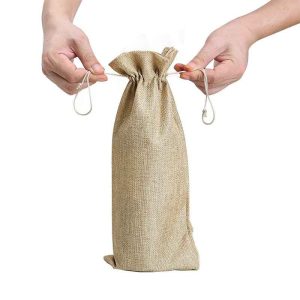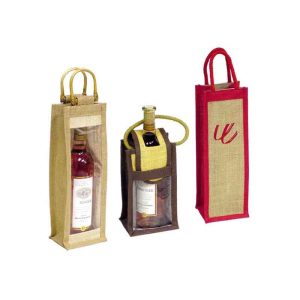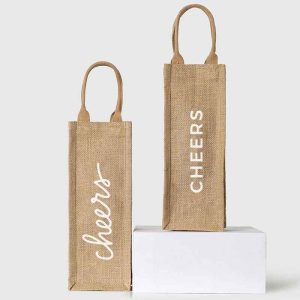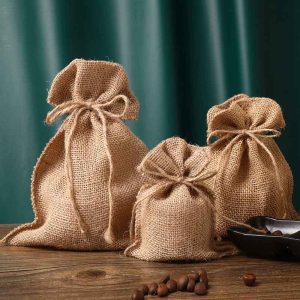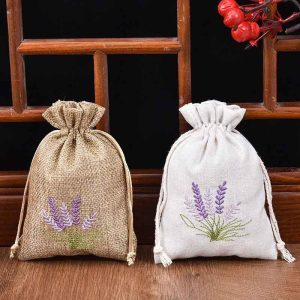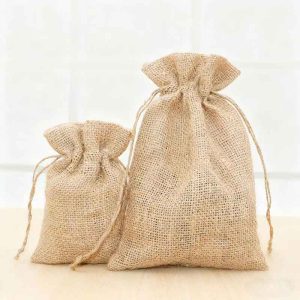
In an era where environmental consciousness is no longer a buzzword but a necessity, consumers and businesses alike are scrambling for alternatives to plastic-heavy products. Enter jute—the humble, golden fiber derived from the Corchorus plant. But the burning question on every eco-warrior’s mind is: Is jute sustainable and eco-friendly? The short answer? Absolutely. In this comprehensive guide, we’ll unpack the science, benefits, and real-world applications of jute, helping you understand why it’s poised to become the go-to material for a greener future. Whether you’re a shopper eyeing reusable bags or a retailer sourcing sustainable packaging, read on to discover how jute stacks up.
What Is Jute, and Why Is It Gaining Traction?
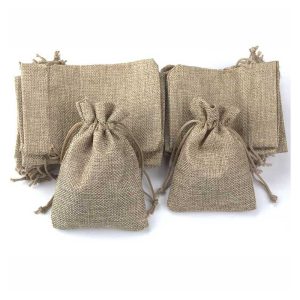
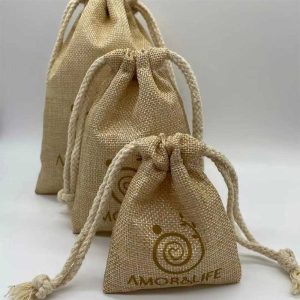
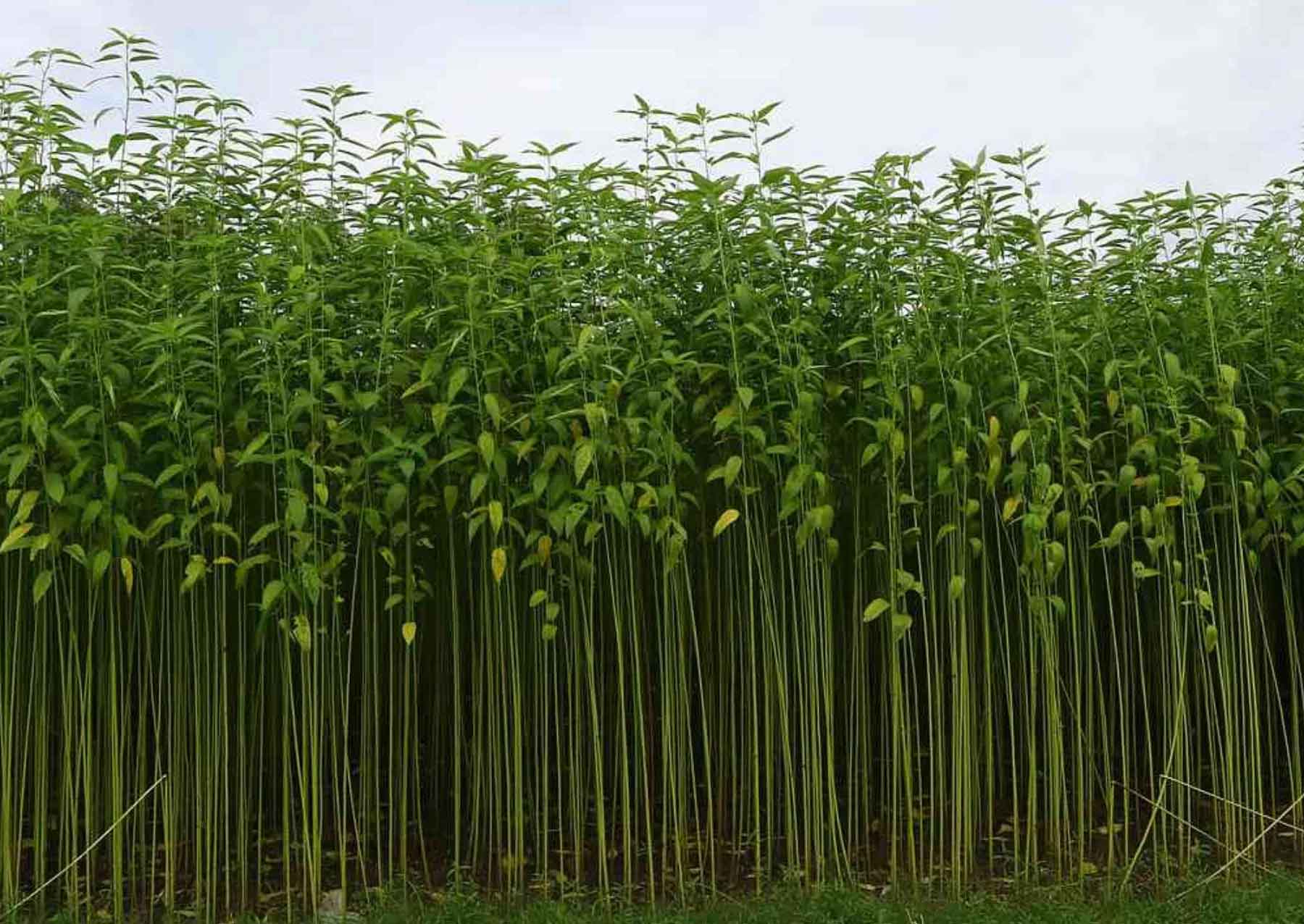
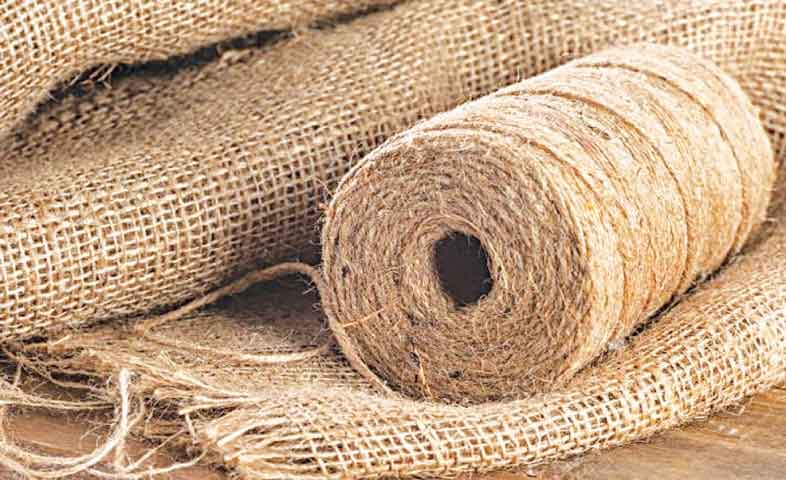
Jute, often called the “golden fiber,” is a natural bast fiber extracted from the stems of flowering plants in the mallow family. Primarily grown in regions like India, Bangladesh, and China—where it thrives in tropical climates—jute has been used for centuries in ropes, textiles, and sacks. Today, it’s experiencing a renaissance as a plastic alternative, thanks to its versatility and low environmental impact.
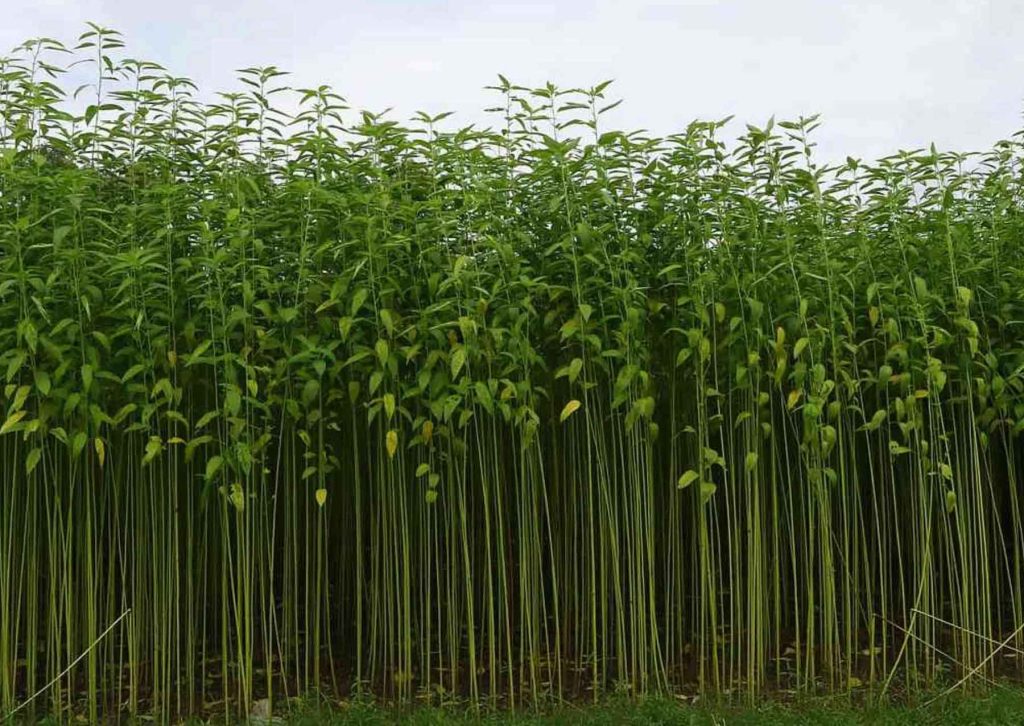
Unlike synthetic fibers like polyester, which are petroleum-based and take hundreds of years to decompose, jute is 100% plant-derived. It’s strong, coarse, and biodegradable, making it ideal for everything from shopping bags to upholstery. But sustainability isn’t just about renewability; it’s about the entire lifecycle. Let’s break down why jute earns its eco-friendly badge.
The Sustainability of Jute: From Farm to Fiber
At the heart of jute’s sustainability is its rapid growth cycle. Jute plants mature in just 4-6 months, far quicker than cotton (which can take up to 6 months but requires far more resources) or trees used for paper (years). This fast turnaround means farmers can harvest multiple crops per year without depleting soil nutrients. In fact, jute cultivation improves soil health by preventing erosion and adding organic matter back into the earth through its deep root systems.
Water usage is another win. Jute requires minimal irrigation—about 2,500-3,000 liters per kilogram of fiber—compared to cotton’s staggering 10,000 liters. It also demands little to no pesticides or fertilizers, reducing chemical runoff into waterways. According to the International Jute Study Group, jute farming supports over 4 million livelihoods in South Asia, promoting economic sustainability in rural communities. By choosing jute, you’re not just going green; you’re investing in fair-trade practices that uplift smallholder farmers.
Carbon sequestration is where jute truly shines. During growth, jute plants absorb CO2 at a rate comparable to bamboo, locking away carbon that would otherwise contribute to climate change. A single hectare of jute farmland can sequester up to 15 tons of CO2 annually, per studies from the Food and Agriculture Organization (FAO). This makes jute a carbon-negative crop in many scenarios, especially when processed locally to minimize transport emissions.
Eco-Friendly Advantages: How Jute Outshines Synthetics
If sustainability is the foundation, eco-friendliness is the crown jewel of jute. Unlike plastic bags, which linger in landfills for 400+ years and release microplastics into oceans, jute products biodegrade in just 3-6 months under composting conditions. They’re fully compostable, breaking down into nutrient-rich humus without leaving harmful residues. This is a game-changer for industries like packaging, where single-use plastics have choked ecosystems worldwide.
Jute’s low energy footprint during manufacturing adds to its appeal. Processing jute involves simple retting (soaking in water) and mechanical extraction, requiring far less energy than spinning synthetic yarns. A lifecycle assessment by the Journal of Cleaner Production found that jute bags have a global warming potential 70% lower than polypropylene shopping bags over their use cycle. Plus, jute is recyclable—fibers can be repurposed multiple times before composting, extending product life and reducing waste.
Health-wise, jute is hypoallergenic and free from toxic dyes if naturally processed, making it safe for food packaging and baby products. Its breathability prevents mold growth, unlike plastic that traps moisture. For businesses aiming to align with circular economy principles, jute offers durability too—lasting 4-8 months of regular use versus plastic’s one-and-done fate.
Real-World Applications: Jute in Everyday Eco-Living
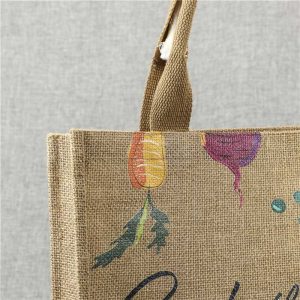
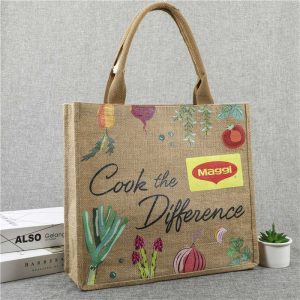
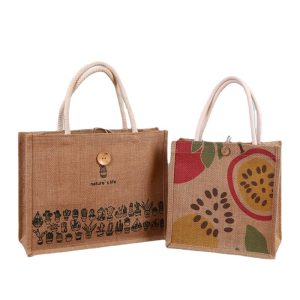
From fashion to home goods, jute’s applications are endless, proving its practicality in sustainable living. In the retail world, jute shopping bags are a staple, reducing plastic bag consumption by up to 80% in stores that switch, as reported by the Ellen MacArthur Foundation. They’re stylish, customizable, and carry a premium “green” vibe that appeals to millennial and Gen Z shoppers.
For bulk buyers, the shift to sustainable sourcing is easier than ever. If you’re a retailer or e-commerce brand looking to stock up on high-quality, earth-friendly options, explore wholesale eco jute bags for affordable, customizable solutions that align with your brand’s values. These bags aren’t just functional; they’re a marketing powerhouse, complete with certifications like GOTS (Global Organic Textile Standard) to assure authenticity.
Beyond bags, jute stars in geotextiles for erosion control, insulation mats for energy-efficient buildings, and even biodegradable twine for gardening. In agriculture, jute mulch sheets suppress weeds naturally, cutting herbicide use by 50%. As governments worldwide impose plastic bans—like the EU’s single-use plastic directive—jute’s market is booming, projected to reach $3.5 billion by 2027, per Grand View Research.
Challenges and the Path Forward
No material is perfect, and jute has hurdles. Its coarse texture can feel rough against skin, though blending with cotton softens it. Water-intensive retting in some regions raises concerns, but innovations like microbial retting are slashing water use by 90%. Supply chain transparency is improving with blockchain tracking, ensuring ethical sourcing.
The good news? Ongoing R&D is addressing these gaps. Initiatives like the Jute Improved Technology Project in Bangladesh are enhancing yields while preserving biodiversity. As demand grows, so does investment in eco-innovations, solidifying jute’s role in a low-carbon world.
Conclusion: Embrace Jute for a Sustainable Tomorrow
So, is jute sustainable and eco-friendly? Unequivocally yes. With its rapid renewability, low resource demands, biodegradability, and positive social impact, jute isn’t just a viable alternative—it’s a superior one. By integrating jute into your routine or supply chain, you’re taking tangible steps toward reducing plastic pollution and combating climate change. Start small: swap your plastic tote for a jute bag today, or scale up with wholesale options for your business.
The planet thanks you—and so do the farmers weaving the future, one fiber at a time. Ready to go golden? Dive into jute and watch your eco-credentials soar.