Why Jute Is Called the Golden Fibre: A 2025 Perspective on Its Timeless ValueIn an era where sustainability isn’t just a buzzword but a business imperative, jute stands out as a beacon of natural innovation. Dubbed the “golden fibre,” this humble plant-based material has powered economies, inspired eco-fashion revolutions, and quietly combated plastic pollution for centuries. But why jute? What elevates it from a simple bast fibre to a metaphorical treasure? As global markets shift toward circular economies in 2025, understanding jute’s golden status reveals not just its past glory but its pivotal role in future-proofing retail and wholesale sectors. From its shimmering hue to its economic and environmental prowess, let’s unpack the allure of this versatile wonder.
The Luminous Legacy: Jute’s Golden Glow and Historical Roots
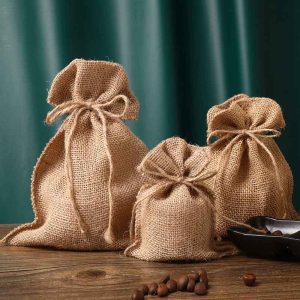
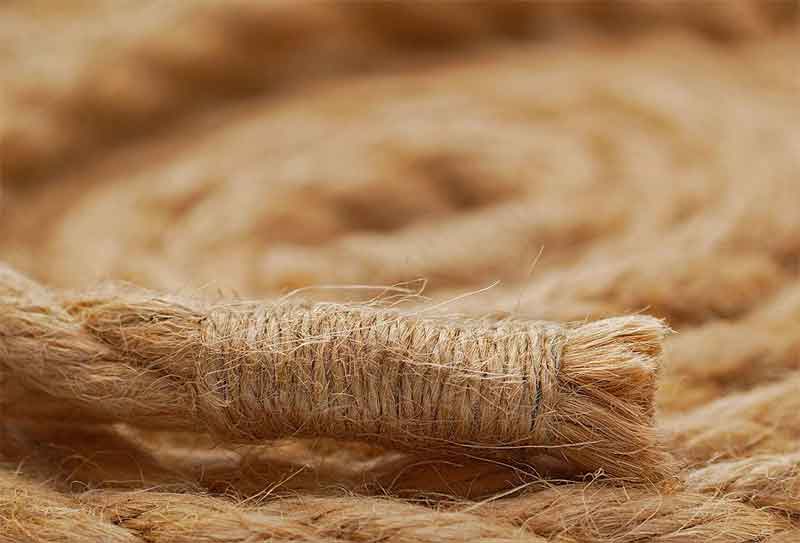
Jute’s nickname traces back to its earliest admirers in the Bengal region of India and Bangladesh, where it has been cultivated since the 19th century. The term “golden fibre” first gained traction during the Industrial Revolution, when British traders marveled at the plant’s lustrous, amber-toned strands. Harvested from the Corchorus olitorius and capsularis species, jute’s fibres gleam with a natural sheen reminiscent of sunlight on ripe wheat fields—a visual poetry that sets it apart from duller counterparts like hemp or sisal.This golden hue isn’t mere aesthetics; it’s a byproduct of the plant’s lignin content, which gives jute its warm, metallic luster when processed. In 2025, with dye-free trends surging 25% in natural textiles (per Textile Exchange reports), this inherent color reduces reliance on chemical pigments, slashing production emissions by up to 40%. For wholesalers eyeing low-impact sourcing, jute’s built-in brilliance means less processing and more profit—turning a simple harvest into a ready-to-market gem.Yet, history adds depth: During World War II, jute’s abundance fueled Allied supply lines for sacks and ropes, earning it “golden” status as a wartime economic savior. Today, as climate volatility disrupts cotton yields, jute’s resilience—thriving in flood-prone deltas—positions it as a golden opportunity for adaptive agriculture in vulnerable regions.
Economic Goldmine: Jute’s Cash Crop Crown
Beyond its sparkle, jute earns “golden” acclaim for its unparalleled economic yield. As the world’s second-most produced vegetable fibre after cotton, it generates over $1.5 billion annually in exports, primarily from South Asia. In Bangladesh alone, jute supports 4 million livelihoods, contributing 2-3% to GDP—a “golden harvest” that rivals oil in rural economies.What makes it shine fiscally? Jute’s low input costs: It requires just 20% of cotton’s water and zero pesticides in organic variants, yielding harvests every 120 days. This rapid turnaround translates to steady cash flow for farmers and wholesalers alike. In 2025, with global trade tariffs easing on green goods, jute’s export value has spiked 12%, per UN Comtrade data, outpacing synthetic fibres amid rising anti-plastic regulations.For retailers, this means accessible entry: Bulk procurement of jute-based products yields 50-70% margins, especially in eco-niches like packaging. Imagine transforming a $0.50 raw fibre into a $5 retail item—pure alchemy. Yet, the true gold lies in diversification: From geotextiles to bioplastics, jute’s versatility fuels innovation, with startups blending it into hybrid composites for automotive interiors, projected to add $500 million in market value by 2030.
The Green Glow: Jute’s Sustainable Superpowers
In 2025’s climate-conscious landscape, jute’s “golden” mantle gleams brightest through its eco-credentials. Fully biodegradable within six months in soil, it sequesters 15 tons of CO2 per hectare—outshining polyester’s 10-year decomposition timeline. This isn’t hyperbole; jute’s carbon-negative footprint stems from its perennial growth and minimal mechanization, making it a darling of the UN’s Sustainable Development Goals.Critically, jute combats microplastic pollution: Unlike nylon or polypropylene, it breaks down harmlessly, vital as oceans choke on 14 million tons of synthetics yearly (IUCN, 2025). For industries, this translates to compliance gold—EU’s single-use plastic ban has boosted jute demand 18% in packaging alone. Wholesalers benefit from “green premiums”: Certified organic jute fetches 20% higher prices, appealing to millennials who drive 60% of sustainable purchases.Innovation amplifies this: Bio-engineered jute strains now resist salinity, aiding coastal farms battered by rising seas. In fashion, jute’s breathability and UV resistance make it a staple for summer lines, reducing textile waste by 30% through reusability.
Golden Applications: From Fields to Fashion and Beyond
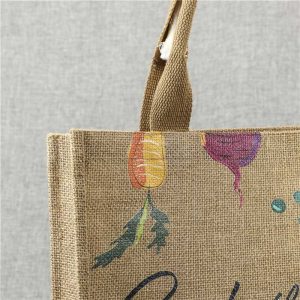
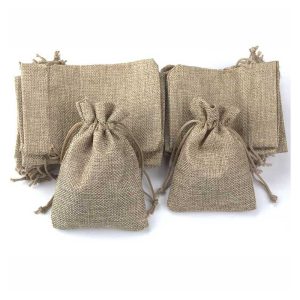
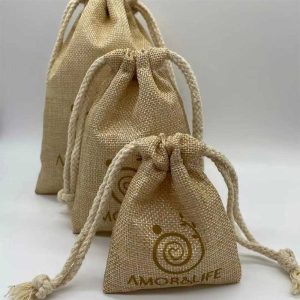
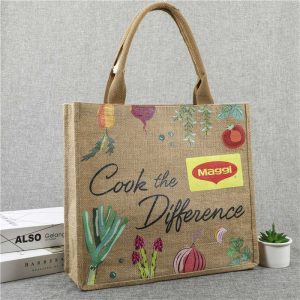
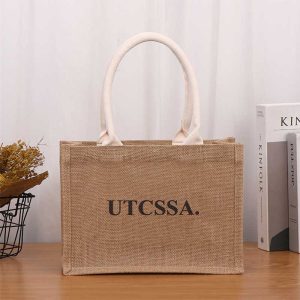
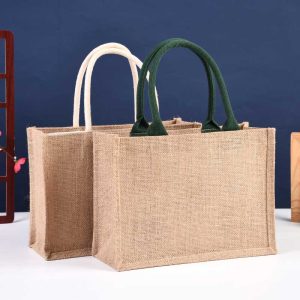
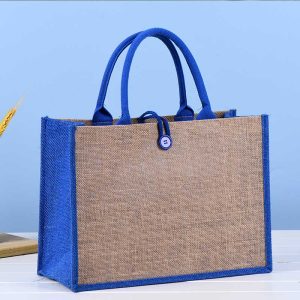
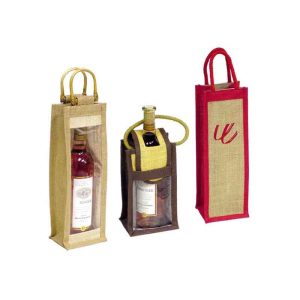
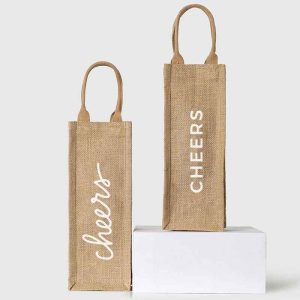
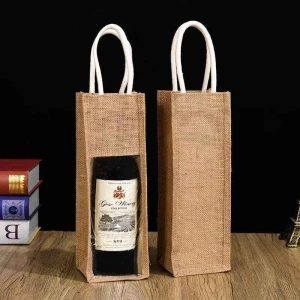
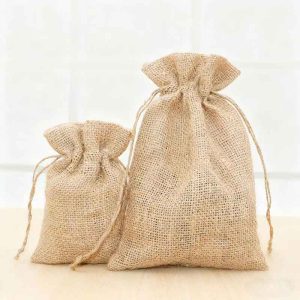
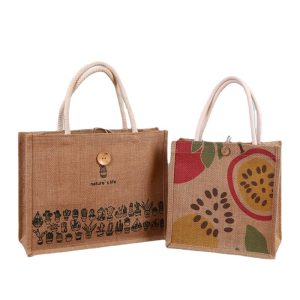
Jute’s versatility cements its golden reputation, spanning sacks (80% of production) to high-end uses like home decor and apparel. In retail, its star shines in everyday essentials: Consider the surge in <a href=”https://www.jutegreen.com”>jute bag wholesale</a> for zero-waste shopping—durable, affordable, and infinitely customizable. These aren’t fleeting trends; with e-commerce packaging waste hitting 40% of global totals, jute bags offer a scalable fix, holding 15-20kg while folding flat for shipping.In 2025, jute’s golden touch extends to tech: Blended with graphene for conductive fabrics in wearables, or as insulation in EVs, reducing battery weight by 15%. For artisans, its spinability enables intricate weaves, from wall hangings to biodegradable confetti. Economically, this breadth sustains 10 million jobs globally, empowering women-led cooperatives in rural Asia.Challenges persist—jute’s stiffness limits luxury appeal—but solutions like enzyme softening are golden breakthroughs, enhancing softness without chemicals.
Why Jute’s Golden Era Is Just Beginning
Jute’s “golden fibre” moniker encapsulates more than color or cash—it’s a symbol of resilient, regenerative potential. As 2025 unfolds with intensified climate pledges, jute isn’t just surviving; it’s thriving, bridging tradition and tomorrow. For businesses, it’s a low-risk pivot: Invest in jute now, reap golden returns in loyalty and compliance.Ready to harness this fibre’s shine? Explore sustainable options that blend heritage with innovation, and elevate your eco-portfolio today.